

Treasure NFT is a digital trading platform that billed itself as an AI-driven NFT trading ecosystem, which leverages AI algorithms to identify undervalued digital assets and sell them for a profit. If you have heard about this platform and are unsure if it’s worth your time or money then read on to see how it works, some of the risks you could face and what alternatives you should consider.
How Does Treasure NFT Work?
The model of the platform is “Deposit and cycle”. Stablecoins are “tied up” in the platform for a designated period, typically 24 hours, and the creators of the platform state they invest that money in buying and selling NFTs for profit. The higher your deposit and the more people you bring in, the higher the promised daily returns, and then there’s a VIP system to determine your return amount.
Instead, it works as more of a multi-level marketing operation than a real trading platform, as the growth of new users’ deposits and referrals is essential to the payouts of the existing users.
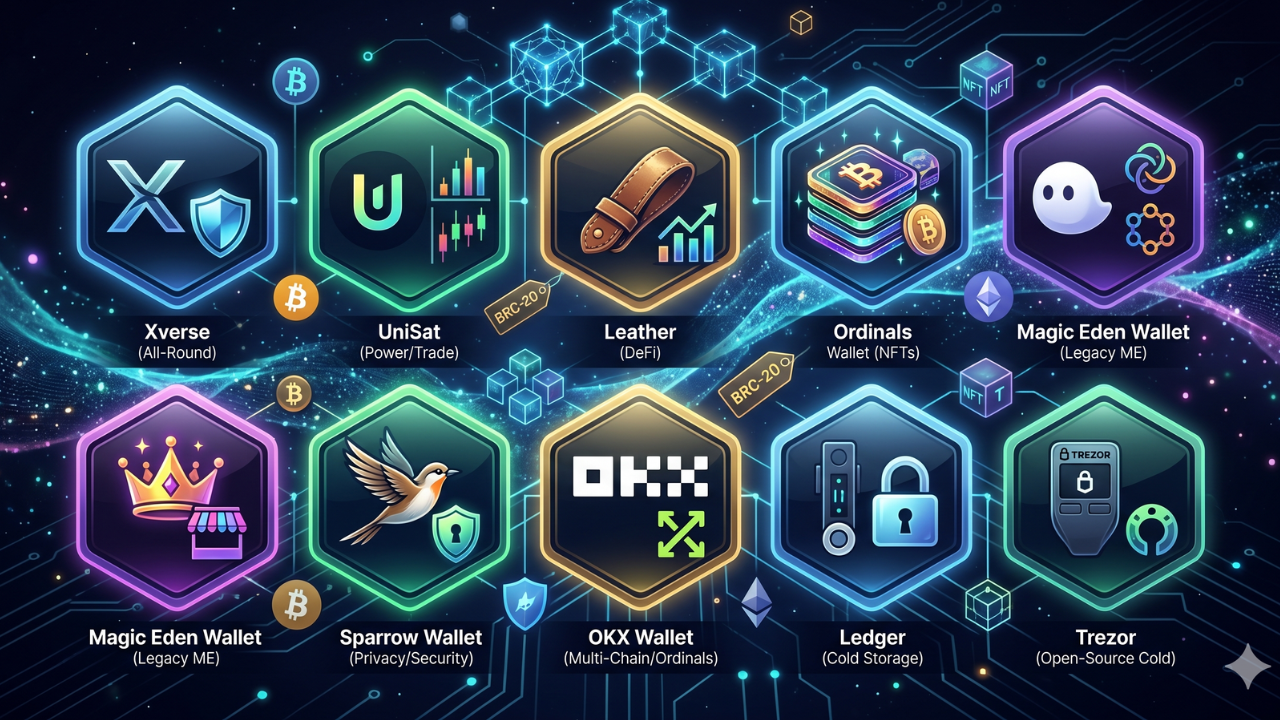
Key Features of the Platform
- AI-driven trading claims: The platform says it uses algorithms to spot profitable NFT trades automatically.
- Tiered VIP levels: They offer different levels of Vip and the promised returns are higher at that Vip level, with a higher deposit.
- Referral Growth: revenue is enhanced with customer referrals
Stablecoin deposits (funds are not traded freely, but are locked into short trading cycles)
Is Treasure NFT Safe?
There are a number of warning indicators that have come to light on this platform. First, the lack of on-chain transparency, the NFTs being traded can’t be verified on blockchain explorers which is quite unusual for any project that’s based on blockchain technology.
Second, many people have complained about withdrawal issues such as having their accounts frozen and needing to pay extra amounts of money, dubbed “verification fees” before they could withdraw their money.
Third, the expected returns claimed (typically 1 – 2% per day) are very hard to earn realistically in any true market over any extended period of time. If it promises a certain high return even in down markets, it is most likely a promise of return on new deposits, not return on investment. These, coupled with the recent reports of a shutdown and rebrand as a new project, are typical of exit scams.
Read Also: MSSC HRMS: Seamless HR Access and Employee Support
Treasure NFT VS Real NFT Platforms?
A transparent marketplace such as OpenSea or Blur will have trades recorded on-chain, the ownership of an asset is clearly recorded and no investment will be required into a closed pool. Profitable DeFi initiatives additionally go through third-party smart contract audits and release open-source codes.
This platform operates more as a closed and centralized database, however. None of the above information is available on an independent audit trail, there’s no verifiable trading history and no way to confirm that deposits are actually used to buy NFTs.
Alternatives Worth Considering
Other safer alternatives are:
- Verified decentralized exchanges with self-custody trading with hardware wallets
- Exchanges that are regulated and follow KYC/AML standards
- Building on existing PoS chains such as Ethereum or Solana
Average or premium NFT collections with clear, proven, on-chain histories and communities
Final Word
Without concrete proof, Treasure NFT exhibits a number of characteristics of a high-risk scheme, rather than a legitimate and sustainable NFT trading platform: unverifiable trades, payouts based on referrals, and unsustainable return guarantees. When researching any platform, ensure that it has clear on-chain information, third-party audits, and regulatory registration. If they’re not there, then it’s a good idea to exercise some caution.
FAQs
1.Is Treasure NFT legit?
The website is operational, but there are several red flags that are typical of scams.
2.Can I withdraw funds from Treasure NFT?
Withdrawals often remain pending, get rejected or take longer to process, especially following the platform’s stated switch to a new project.
3.Is Treasure NFT regulated?
There is no official registration of the platform, which makes users without legal protection in case they lose their money.
4.What are safer alternatives to Treasure NFT?
Generally, regulated exchanges, self-custody wallets with verified DEXs, staking on trusted blockchains and blue-chip NFTs are considered less risky investments.
5.Is it worth investing in the Treasure NFT in 2026?
The platform has been shut down, suffers from withdrawal problems and a re-branding, which makes it a high-risk platform and reason to avoid.
Read More: Foxfiny.com: A Complete Guide for Learning About Finance Management
