

Even before an operating system loads on a computer, it is using a certain type of software, called firmware. This is a low-level software that initializes, communicates and performs the hardware. An Advanced Settings Utility lets users tweak these settings directly, instead of using a standard boot screen, for individual users or enterprise servers
It will explain what an Advanced Settings Utility is, the various types that exist, how to safely access one and what to be aware of before making changes.
What Is An Advanced Settings Utility?
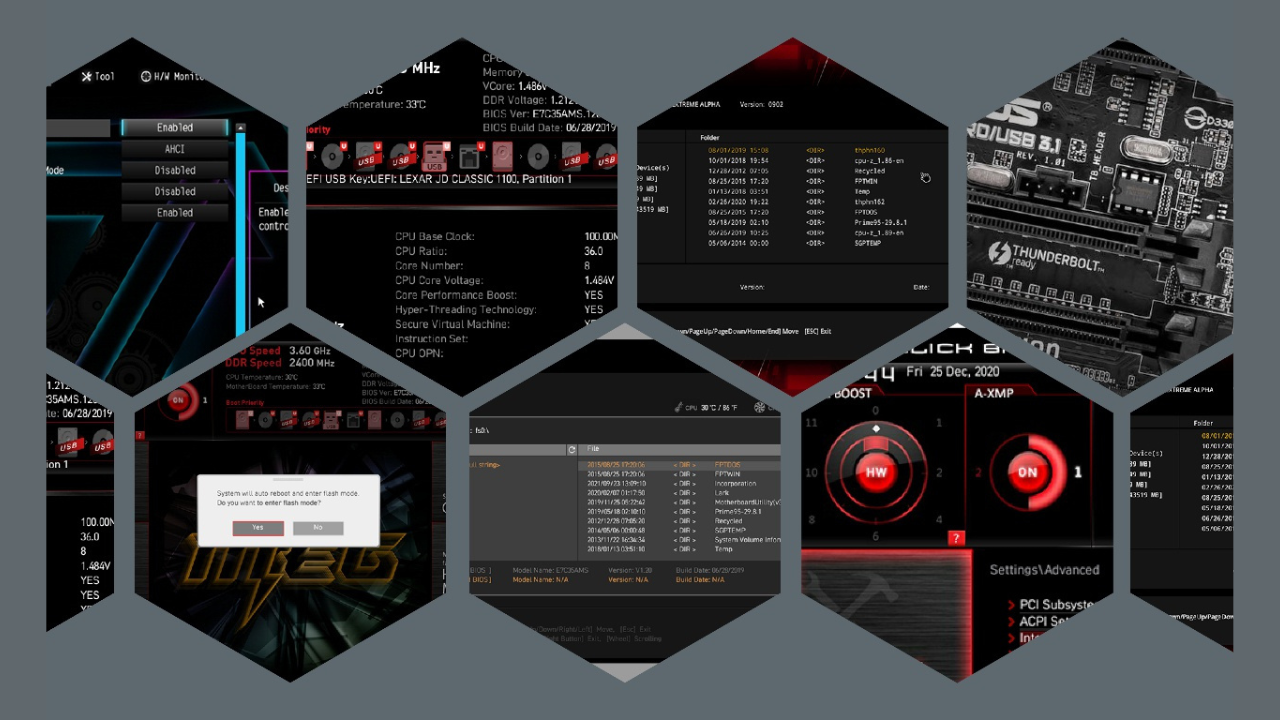
An Advanced Settings Utility is an application or screen that is not part of the BIOS or UEFI start-up screen that most people see when pressing F2, F1 or Delete on startup. This kind of utility offers more access to firmware options than a regular menu, either via the OS, command line, or in a hidden tab of the BIOS itself.
These utilities are typically stand-alone programs on servers that are used by IT administrators to remotely manage hardware. In consumer desktops and laptops, the same concept appears as a set of very difficult to access advanced tabs within the BIOS with access limited by certain key combinations.
Why It Matters
Firmware configurations impact the booting, performance and security of a system. The typical way to access BIOS is to physically be in front of the machine and/or to reboot the machine, which is unwieldy when running numerous machines in a business environment. The Advanced Settings Utility addresses this by enabling you to change settings without having to do so constantly.

Key advantages include:
- Changing hardware settings without having to restart the setup screen multiple times
- Making configuration changes simultaneously to multiple systems
- Minimizing downtime during the firmware management operations
- Supporting old and new generations of firmware
Read Also: Become a Myntra Seller in 2026: A Complete Guide for Sellers
Common Types of Advanced Settings Utilities
There are several different methods to accessing advanced firmware in different systems:
- Server oriented tools – Command line tools designed for the IT environment. They are used to configure scripted, batch style and are normally used for out-of-band configuration for many machines.
- Advanced options – These are hidden by default in laptop and desktop BIOS interfaces. There are also tabs for various aspects such as CPU behavior, memory timing and virtualizing etc, when accessed with a specific key sequence during boot.
- Gaming laptop firmware – Some manufacturers will make it so you can’t see certain options to prevent less tech-savvy individuals from accidentally setting up their computer wrong, although third-party software may offer additional access.
How to Access and Use an Advanced Settings Utility
The procedure is different depending on the device, but is similar in most systems:
- Go to the firmware setup screen. Turn the device back on and press the specified key (usually F2, F10 or Delete) when the computer is booting.
- Expand advanced options, if they are concealed. Other systems demand a certain key combination to uncover other tabs.
- Make the appropriate adjustments. These can be boot order, Secure Boot, virtualisation or memory configuration. Record the initial values, in case a rollback is required.
- Save and restart. Check booting and functioning of the system.
- Apply the update of the firmware as needed. Always use the manufacturer’s official tool and never stop the process once started.
Each configuration session will last about 30-60 minutes depending on the complexity of the changes being made.
Best Practices for Firmware Management
Since firmware runs beneath the operating system, errors in firmware can have a greater effect than a normal software error. Some things to keep in mind:
- Record any changes and the reason for the changes in writing
- Test changes on a non-critical system prior to making widespread changes
- Save the current settings for the firmware before changing any of them.
- Use environmental, command-line and built-in BIOS menus for tools as needed.
Taking a consistent process instead of making any changes on the fly will help you to avoid any unnecessary downtime or hardware-related issues.
Final Word
An Advanced Settings Utility provides more control in the form of meaningful options to users and administrators at the firmware level. When employed appropriately, it can boost performance, bolster security and simplify hardware management in both small and large server setups and personal computers. As with any firmware update, there’s a great deal of caution and planning involved, a little planning means a lot to prevent expensive mistakes.
FAQs
1.What does an Advanced Settings Utility do?
It is used to set firmware level parameters that are not found in a normal BIOS menu, like boot behavior, power management or hardware parameters.
2.Is it safe to unlock advanced BIOS settings?
Generally yes, as long as changes are made carefully. Unstable boot or instability if settings are changed in an unknown setting.
3.Can firmware be changed without re-installing the operating system?
No, most firmware changes are not OS specific. But sometimes, due to changes in boot mode and storage configuration, the OS may not boot properly.
4.Typically how much time does it take to configure the firmware?
The duration of most sessions is 30 to 60 minutes, depending on the number of settings to be adjusted and the need for a firmware update.
5.What do I do if my firmware update has not been successful?
Don’t power the device down at once. Review manufacturer’s recovery/rollback information and official support sources prior to additional changes.
Read More: Smart Home Technology: How Modern Innovations Are Changing the Way We Live
