

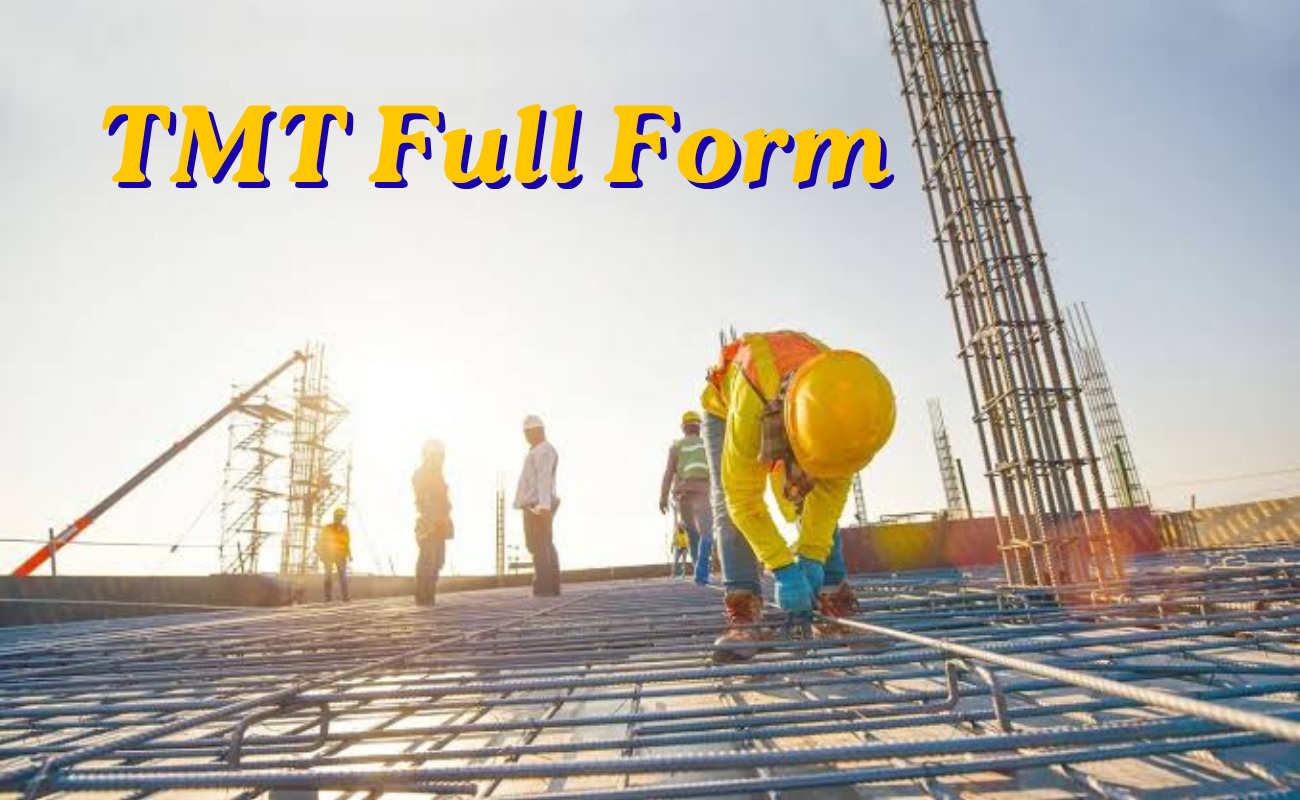
Ever wondered why modern buildings survive earthquakes while old ones crumble? The answer is hiding inside a steel bar with a weird name. TMT full form is Thermo-Mechanically Treated. That is the name of both the process and the steel bars that come out of it. You have probably seen these bars at every construction site. They look like regular steel rods but they are not. They are way stronger and way more flexible than the old kind of steel people used to use.
When someone says TMT bar, they mean a steel bar that has been heated up and then cooled down in a very specific way. The outside becomes hard and strong. The inside stays soft and bendy. This combination is what makes TMT bars so special. You get strength without brittleness.
How TMT Bars Are Actually Made
The making of TMT bars is pretty interesting. It is not just melting steel and pouring it into rods. There is a whole process behind it.
First they take steel billets and roll them into bars at high temperature. Then the hot bars are passed through water jets. This rapid cooling is called quenching. The water hits the outer surface and cools it down super fast. This makes the outer layer very hard.
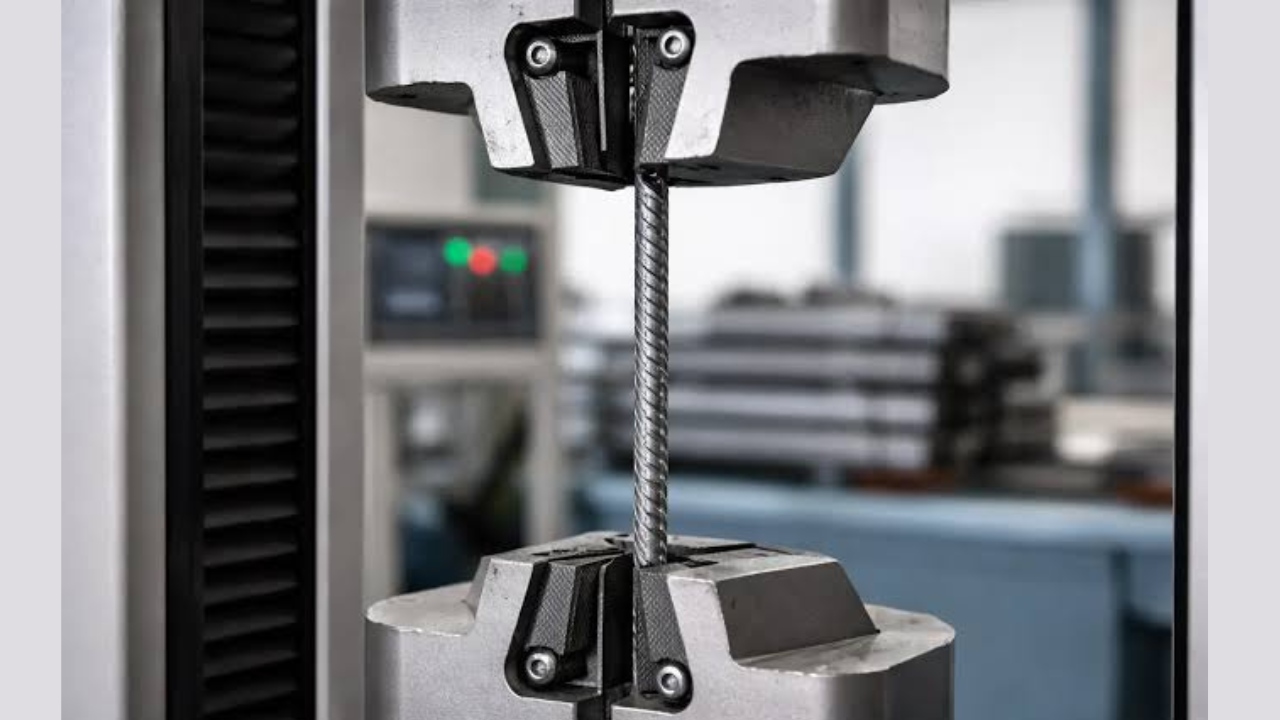
But here is the clever part. The inside of the bar is still hot. So the heat from the inner core slowly moves outward. This heat tempers the hard outer layer. That is why they call it self tempering. Then the bars are left to cool in normal air. This final cooling makes the inner core soft and ductile.
So what you end up with is a bar that has a tough outer skin and a flexible inner body. It is like having a candy with a hard shell and soft center, except this candy can hold up a building.
Why TMT Bars Are Better Than Old Steel
Back in the day people used something called TOR steel or plain mild steel. Those bars were okay but they had serious problems. They rusted easily. They did not bend well. And when buildings faced earthquakes, they often broke because they were too rigid.
TMT bars changed the game. Because of that soft inner core, they can bend without snapping. That is huge for earthquake prone areas like most parts of India. When the ground shakes, the building flexes instead of crumbling. The TMT bars absorb that energy and keep the structure standing.
Another big win is corrosion resistance. The TMT process creates a microstructure that does not rust as fast. In a country where monsoons and humidity are normal, this matters a lot. Your building stays strong for decades.
TMT bars also bond better with concrete. You know those ridges on TMT bars? They are called ribs and they help the concrete grip the steel tightly. So concrete and steel act like one solid piece. That means stronger columns, beams, and foundations.
TMT Bar Grades You Should Know About
If you go to buy TMT bars, the shop guy will throw grades at you. Fe 415, Fe 500, Fe 550, Fe 600. What do these mean?
The number tells you the strength. Fe 415 means the bar can handle 415 megapascals of stress. Fe 500 handles 500. Higher number means higher strength.
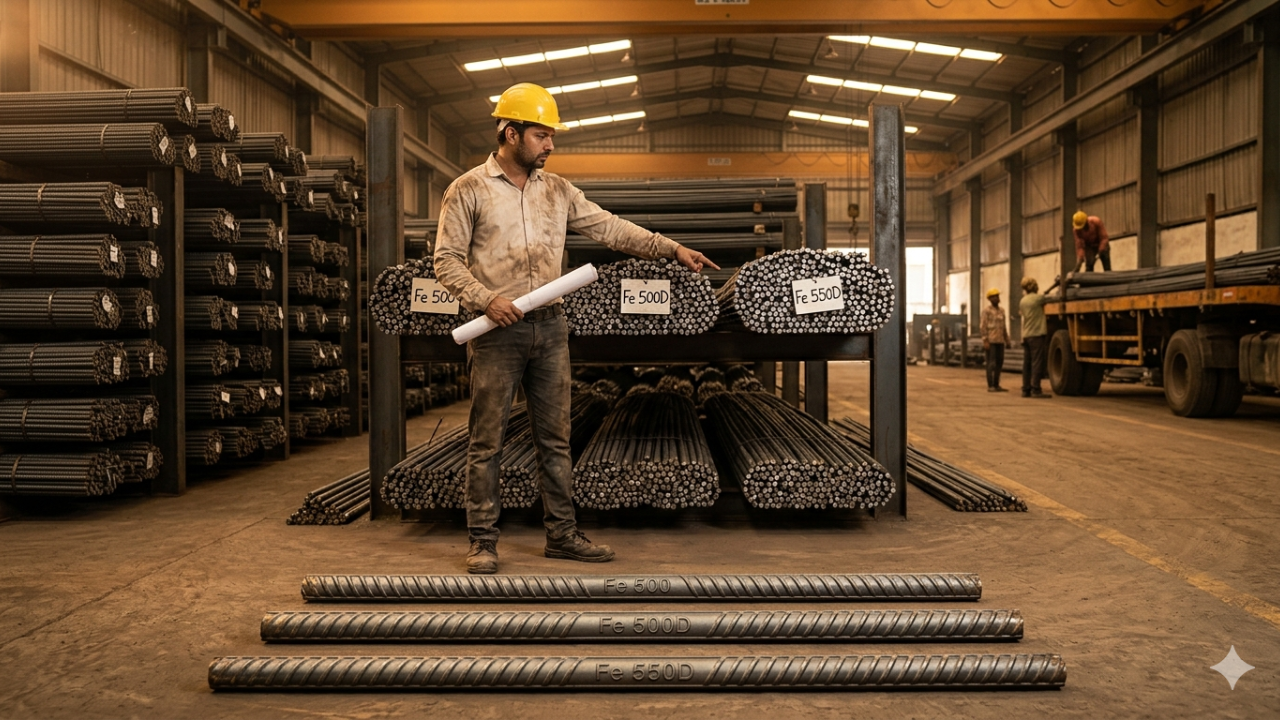
For normal house construction, Fe 500 is the most common choice. It gives you a good balance of strength and flexibility. Fe 550 and Fe 600 are used for big projects like bridges and high rise buildings.
There is also a letter D sometimes. Like Fe 500D. The D stands for ductility. It means the bar can stretch more before breaking. For earthquake zones, D grade is better. Always ask for it if you are building in a seismic zone.
Where Are TMT Bars Used
Pretty much everywhere. Your house, your office, the mall, the bridge you cross, the dam, the metro line under your city. All of them use TMT bars.
In residential buildings, TMT bars reinforce columns, beams, slabs, and foundations. In bridges, they handle the weight of vehicles and wind stress. In dams, they resist water pressure. Even factories rely on TMT bars for heavy machinery.
If concrete is involved, TMT bars are hiding inside doing the heavy lifting. You cannot see them after construction but they are holding everything together.
TMT Full Form in Medical Context
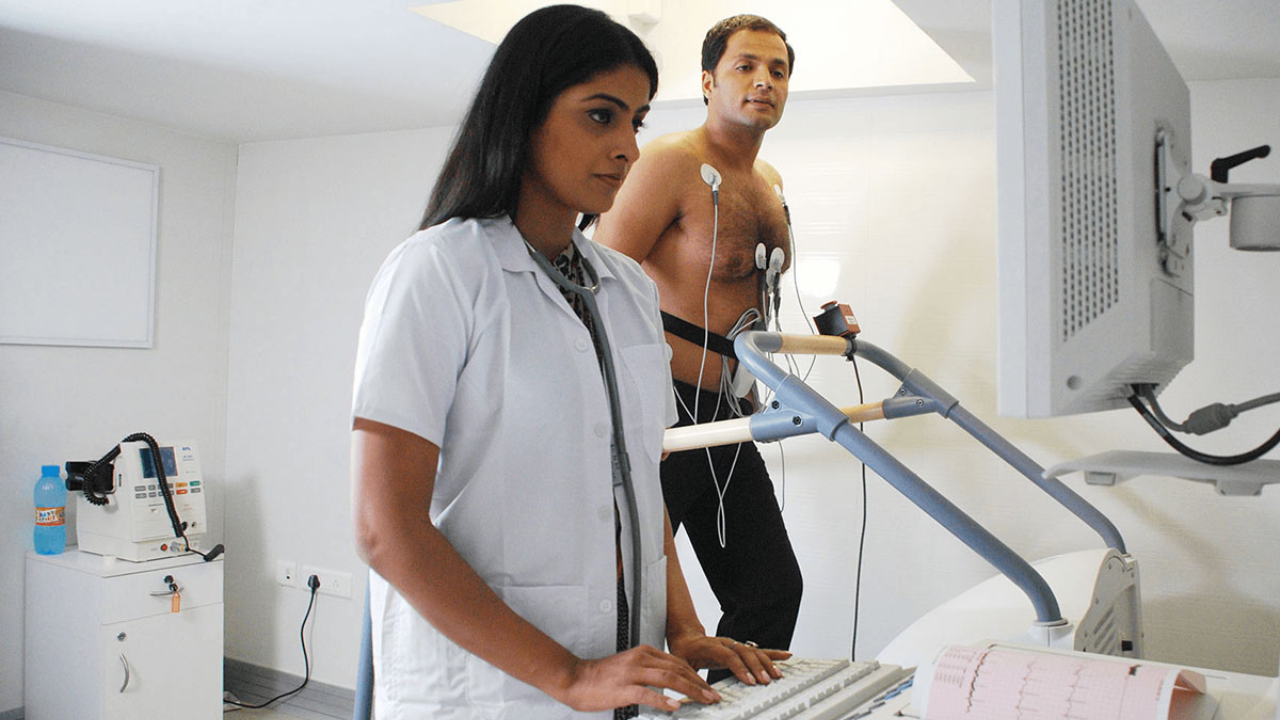
Just so you do not get confused, TMT means something different in hospitals. There, it stands for Treadmill Test. It is a heart test where you walk on a treadmill while doctors monitor your heart. They call it a cardiac stress test.
But when most people search for TMT full form in India with words like bar or steel, they mean Thermo-Mechanically Treated. The medical TMT is a different topic. If you are reading this for construction, ignore the treadmill.
Final Word
So there you have it. TMT full form is Thermo-Mechanically Treated. It is a process that makes steel bars strong on the outside and flexible on the inside. These bars resist rust, survive earthquakes, bond well with concrete, and last for generations.
If you are building a house, always go for proper TMT bars from a trusted brand. Check the grade. Look for ISI certification. Do not cheap out on steel because this is the skeleton of your building. Bad steel means a weak skeleton.
TMT bars are not just another material. They are the reason modern buildings can go so high and stay safe. Now that you know what TMT actually means, you can talk to your contractor without feeling lost.
Read More: Intra Haryana: What It Is and How Government Employees Can Actually Use It
