

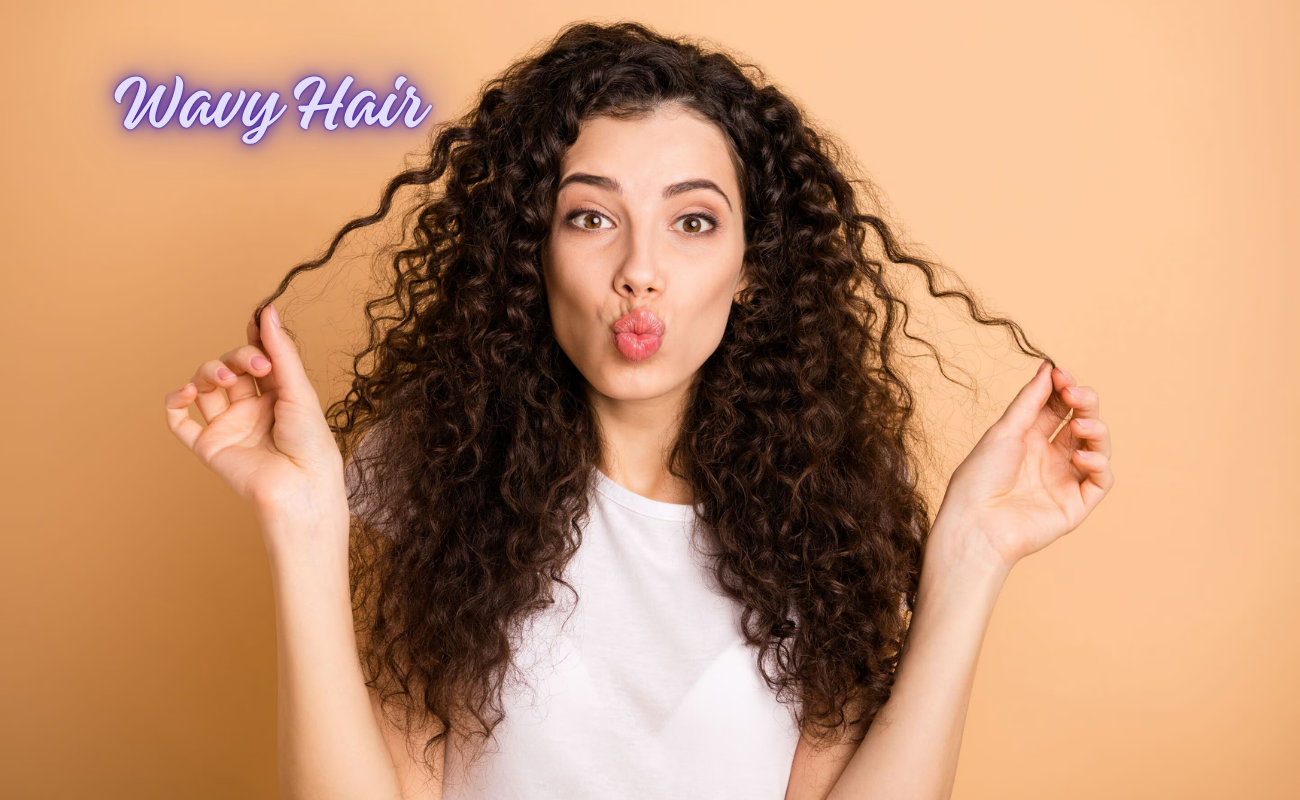
Wavy hair lies between straight hair and curly hair; it has its unique beauty. It creates soft “S” shaped waves which can be very natural, full and fancy with little effort. It can also get frizzy, dry or lose shape if not maintained with the proper care.
Lots of individuals don’t know how to care for their organic curls. Some brush them too much while others use too heavy of products. Little things such as this can cause waves to appear as they are unthreaded or unorganized.
This article will help you understand the various styles of wavy hair, what hair pattern you have, and how to maintain healthy, soft, and well-defined waves.
What Is Wavy Hair?
Wavy hair refers to a type of hair that is between straight and curly hair. Rather than being too straight or curly, it produces loose to defined “S” shaped waves. The wave pattern can start anywhere in the middle of your hair or closer to the roots, depending on your type of hair.
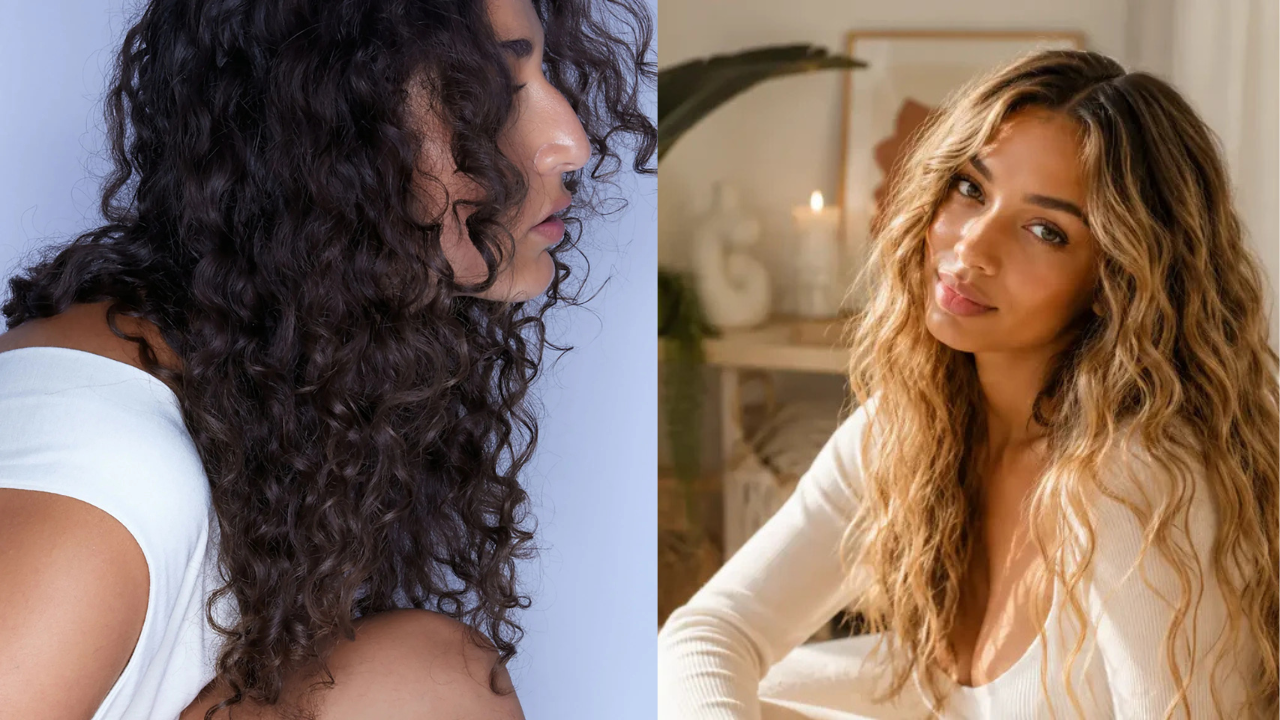
This type of hair may have natural volume and bounce. Often it can be simply put on, however it additionally must be balanced with dampness. Excess product can cause it to weigh down, and insufficient moisture can cause frizz and dryness.
Unlike straight hair, wavy hair has more texture. It is typically not as tightly curled as curly hair and will generally be easier to brush and style with proper techniques.
Different Types of Wavy Hair
Not all waves are alike. There are basically three types of wavy hair that hair experts refer to.
Type 2A
Type 2A hair is the loosest hair type. The waves are gentle and light, and may be seen from the middle to ends of the hair. This hair type tends to be fine and has minimal frizz.
Those with Type 2A hair type should stick with light conditioners and shampoos. Heavy creams can flatten the hair and decrease the volume.
Type 2B
Type 2B hair waves are more pronounced, having an “S” shape. The waves retain more form and typically start in the mid-shafts of hair. This type tends to be medium thickness and frizzy in wetter conditions.
Light mousse or curl cream can help to help the curls stand up without weighing down the hair.
Type 2C
Type 2C hair is the harsher of the bunch. The waves tend to begin near the roots and can even be loose curls. This type of hair is thicker and fuller.
Extra moisture is beneficial with type 2C hair. To help maintain smooth and defined waves all day, a leave-in conditioner and anti-frizz products can be used.
Read Also: Integrated Design Project: A Smarter Way to Handle Modern Projects
Caring for Wavy Hair
An easy hair care routine can help you get the haircut that you desire both in terms of styling and in terms of how it feels.
Use a mild, soap-free shampoo. Tough cleaners are known to strip away with the natural oils of your hair. Shampoo your hair only twice or thrice a week, or more often if your scalp gets oily more frequently.
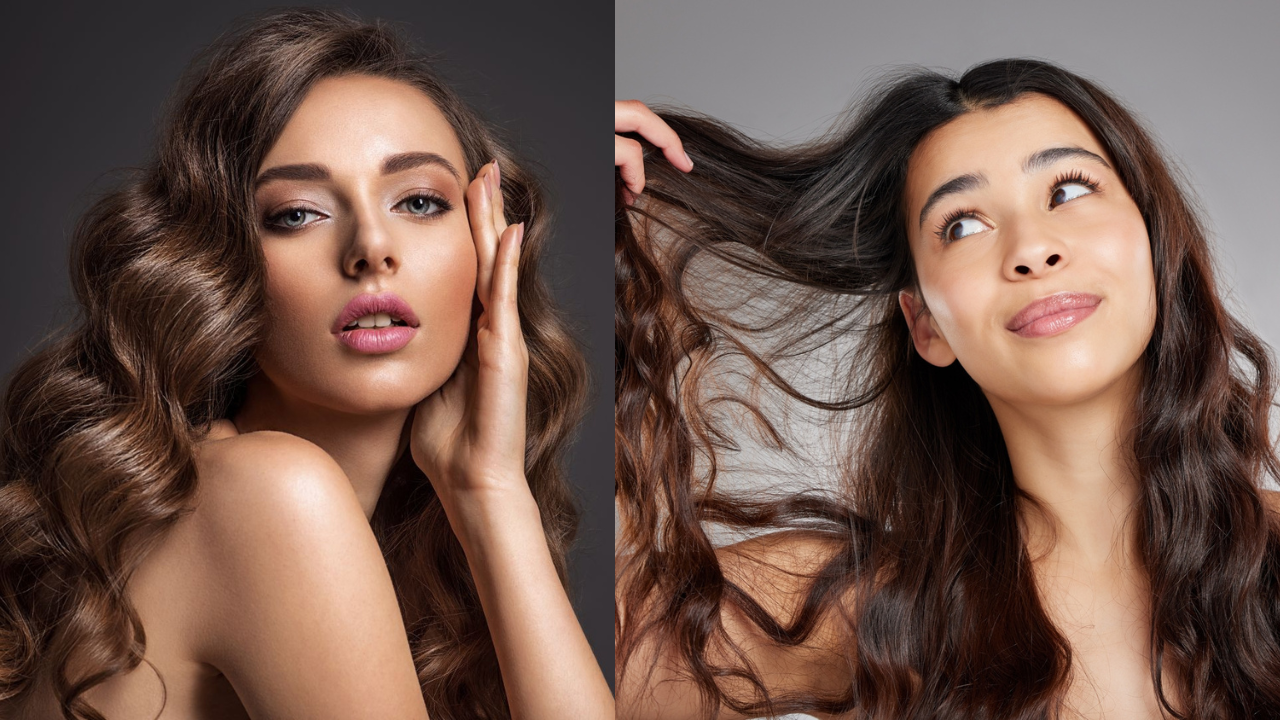
Apply a light conditioner after bathing. Apply in the middle and ends of your hair, not at the roots.
Washing the hair, don’t rub it with a regular towel. Damage is avoided and frizz is minimized with a micro fiber towel or soft cotton T-shirt.
When damp, apply a little leave-in conditioner, curl cream or light styling gel to the hair. Then gently scrunch it up with fingers up towards the hair to promote the natural wave pattern.
Avoid heat styling as much as possible. If blowdrying, use a diffuser and set to the lowest heat setting. This is to help maintain your waves while at the same time protecting your hair.
It’s also a good idea to deep condition weekly. It increases moisture, softness and prevents breakage.
Common Mistakes to Avoid
There are numerous things that people do daily without realizing that they are hurting their waves.
A common error is brushing dry hair. This is because it will split the wave pattern and may cause frizziness. Rather, comb your locks out when they’re damp with a wide-tooth comb.
Another challenge is too heavy-use of products. Thick creams and oils may flatten the waves and make the hair appear greasy.

Another error is when one skips conditioner. Even small waves require adequate moisture to look good and stay smooth.
Final Word
Naturally flowing waves can be healthy, soft and dynamic with proper care. Knowing your wave type will help you pick the right products as well as form a regimen that will suit your hair.
Lightly using mild cleansers, adding moisture, keeping your brushes from getting too hot, and using lightweight products to style your hair can help you get better results over time. Don’t rush your process, and your natural waves will be easier to maintain and manage.
FAQs
1.What is the difference between wavy hair and curly hair?
When hair is wavy, it is in loose “S” shapes and when it is curly, it is in tighter loops or spirals. If one has wavy hair, they are in most cases easier to brush and style.
2. How often should I wash wavy hair?
About 2-3 times a week is the norm for washing wavy hair. This does help to maintain a clean scalp and natural oils to moisturize the hair.
3. What are the best products for wavy hair?
Generally, lightweight shampoos, conditioners, leave-in conditioners, mousses and curl creams are the best options.
4. What causes your wavy hair to frizz?
Dryness, humidity, rough towel drying, brushing dry hair, and harsh shampoos are common causes of frizz. Using a moisturizing regime will minimize frizz.
5. Will I be able to define my natural curls?
Yes, for styling, apply to damp hair, gently scrunch your hair, don’t brush after drying and use a diffuser or air-dry your hair for waves.
Read More: What Is Treasure NFT? A Complete Guide
