

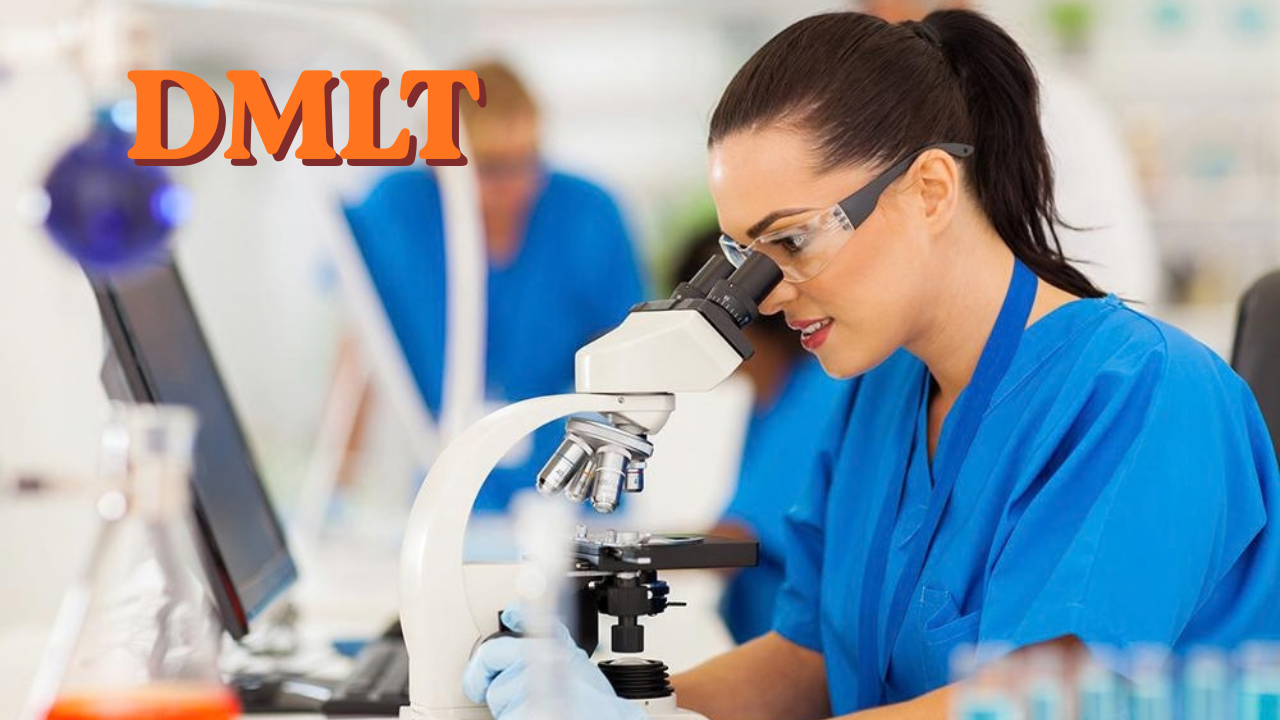
Let me ask you something. When you went to a hospital last time, what happened first? The doctor didn’t treat you right away, did they? They sent you for a blood test or some other test. Someone took your sample, ran it through machines, and gave a report to the doctor. That someone is a lab technician. And DMLT is the course that makes you one.
In this guide, I’ll explain the DMLT full form, what the course covers, how much it costs, and what salary you can expect. Everything in plain, simple English. Let’s dive in.
What is the DMLT Full Form?
DMLT is known as Diploma in Medical Laboratory Technology.
It is a paramedical course and it is a medical course, but not an MBBS. You don’t have to work directly with patients, you work in the lab. Your task is to take blood, urine and other samples to determine what’s wrong with the patient.
There’s a thing to know. Lab Reports are an essential part of a doctor’s work. The doctor will know about typhoid, diabetes, or even cancer when the person has it, and not because he guessed. Therefore, the individual who has performed these tests is critically involved in all diagnoses. This is the person you become after training with DMLT.
DMLT Course Details: Duration and Eligibility
The course takes 2 years to complete, split into 4 semesters. Some institutes add a 6 month internship at the end, so it can stretch to 2.5 years total. Compared to MBBS, which takes 5.5 years, this is a much faster route into the medical field.

Now, who can join? The answer is simple. You need to pass 12th class with Physics, Chemistry, and Biology. A few institutes accept Maths students too, but PCB is the standard requirement. And here’s the best part. You don’t need NEET for DMLT. Admission is based on your 12th marks or a small entrance test held by the institute itself.
So if you couldn’t clear NEET or don’t want to spend years preparing for it, this course gives you a back door into the medical world. A pretty good back door, honestly.
Read Also: White Graduation Dress: How to Choose the Style That Feels Like You
What Will You Study in DMLT?
The course mixes theory with lots of practical work. You’ll study human anatomy, physiology, biochemistry, microbiology, pathology, hematology, blood banking, and immunology.
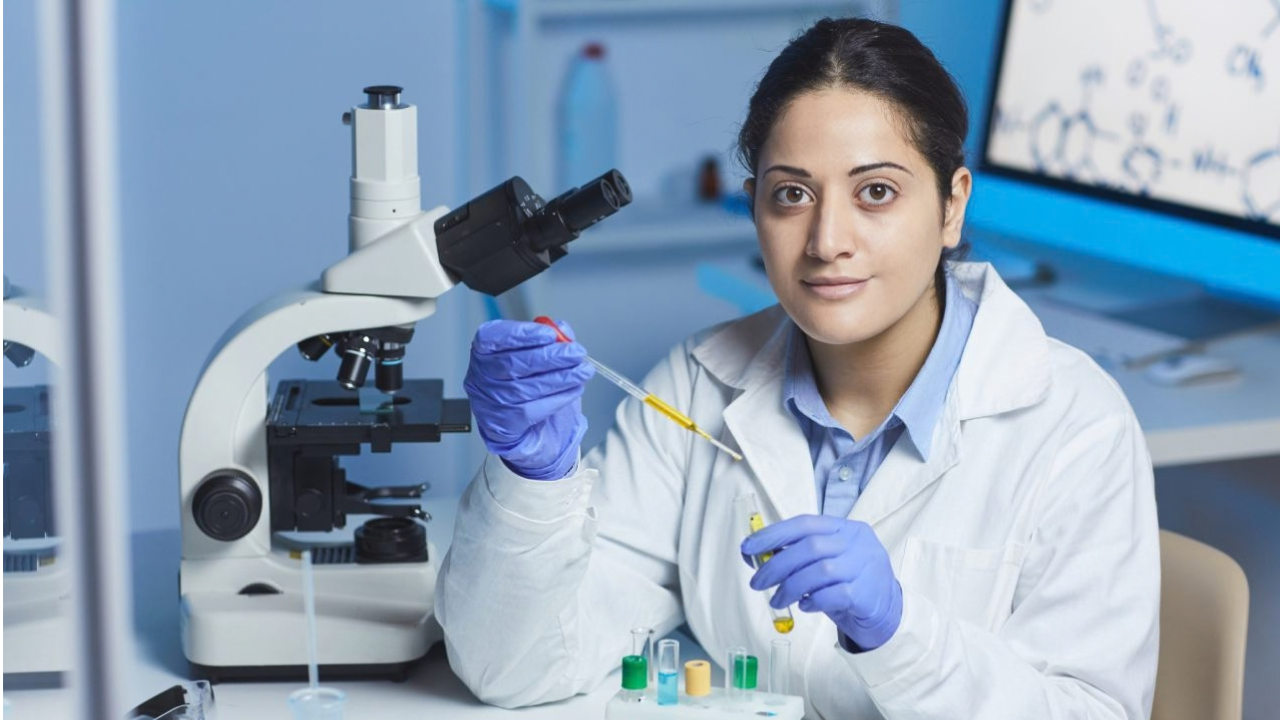
Sounds like a lot of big words, right? Let me translate. You’ll learn how the human body works, how diseases behave, how to test blood samples, and how to spot bacteria and viruses under a microscope. The theory part happens in classrooms, but most of your learning happens in the lab where you’ll handle real samples and real machines. That’s what makes this course special. You learn by doing.
DMLT Course Fees in India
Money matters, so let’s be straight about it. The fees depend on where you study.
Government institutes charge the least, usually between ₹37,000 to ₹80,000 for the entire 2 year course. Private colleges charge more, ranging from ₹1 lakh to ₹2.5 lakh in total.
My honest advice? Try hard for a government seat first. The education quality is solid and you’ll save a lot of money. Private colleges are fine too, just make sure the institute is properly recognized before paying anything.

DMLT Jobs and Career Options
Upon completion of the course, you can work in hospitals, diagnostic centres, pathology lab, blood banks, research institutes, clinics and pharmaceutical companies. Lab technicians are in demand at big hospitals such as Apollo, Fortis, and Max Healthcare. Other diagnostic organisations such as Dr Lal PathLabs and Thyrocare also hire DMLT graduates in large numbers. .
Job roles you can apply for include Medical Lab Technician, Phlebotomist (the one who draws blood), Blood Bank Technician, Pathology Technician, and Research Assistant. And this is not where you stop. With experience, you can move up to senior technician, lab supervisor, or lab manager positions.
DMLT Salary in India: What Can You Earn?
Let’s use real numbers. The salary of an average lab technician in India is approximately ₹2.97 lakh per annum.
Freshers usually start between ₹1.8 to ₹2.5 lakh per year. This seems like a low payout, but it’s only the beginning. After 3-5 years of experience it becomes ₹4-6 lakh per year. If working in a metro city or in a large diagnostic chain, then the pay is better still.
Higher Studies After DMLT
Here’s something many students don’t know. DMLT is not the end of the road. After finishing the diploma, you can do a BSc in Medical Laboratory Technology and later even an MSc. This upgrades your qualification, boosts your salary, and opens doors to research and management roles. So think of DMLT as your first step, not your final stop.
Things to Check Before Taking Admission
Before you pay a single rupee to any institute, do your homework. Check if the college is recognized by the state’s healthcare and allied council. Visit the campus and look at the lab facilities yourself, because you can’t learn lab technology without proper machines. Ask about internship tie ups with hospitals. And if possible, talk to students who are already studying there. They’ll tell you the truth that brochures won’t.
Final Thoughts
So, to sum it all up. The DMLT full form is Diploma in Medical Laboratory Technology. It’s a 2-year course, affordable, no NEET needed, and it gets you into the medical field faster than almost any other route. The starting salary is modest, but the demand for lab technicians keeps rising every single year.
DMLT is for all those who like biology, like to work with science and machines and want a medical career without spending a lot of money and time in pursuing MBBS. The lab tech makes it possible behind every doctor’s correct diagnosis. That could be you.
Read Also: www ehrms upsdc gov in login: Manav Sampada UP Login, Services and Benefits
